

Introduction
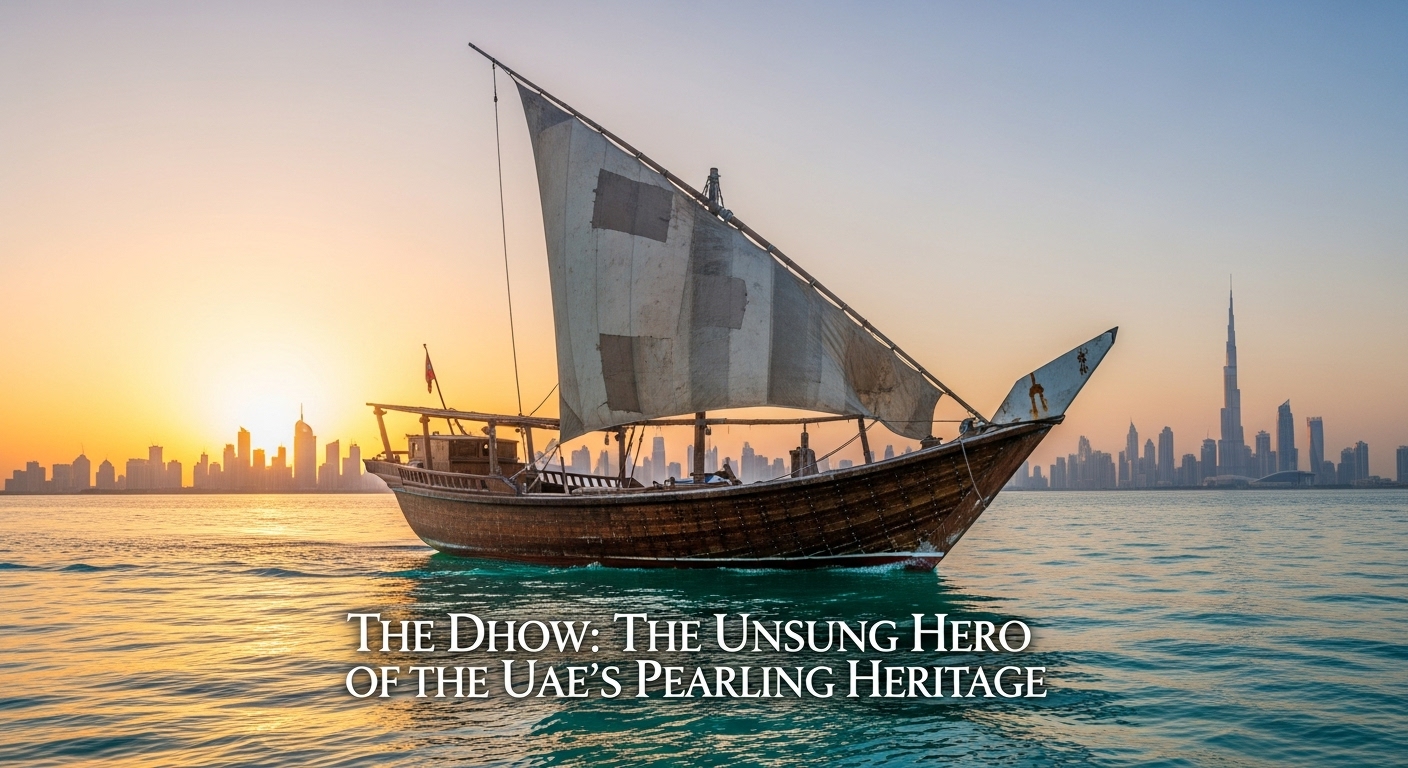
The traditional dhow was far more than a fishing vessel – it was the engine of the pearling economy, a floating community, and a masterpiece of maritime engineering that enabled the UAE’s pre-oil prosperity. These wooden sailing vessels represented the pinnacle of indigenous shipbuilding technology and played a crucial role in regional trade and cultural exchange.
History
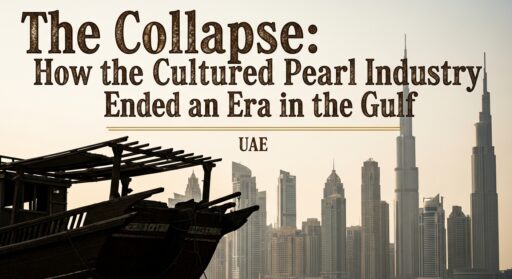
Dhow building in the Gulf dates back centuries, with techniques passed down through generations of shipwrights. The boom years (late 19th to early 20th century) saw hundreds of dhows constructed annually in shipyards along the UAE coast. The collapse of the pearling industry in the 1930s devastated dhow building, though the tradition has been preserved through cultural revival efforts.
Key Features
Pearling dhows were specially designed for their purpose:
- Types: “Boom” (large ocean-going) and “Bateel” (smaller coastal) were most common
- Construction: Teak wood from India, joined without nails using coconut rope stitching
- Design Features: Lateen sails for maneuverability, shallow draft for pearl banks
- Capacity: Carried 15-60 crew members for months at sea
Cultural Significance
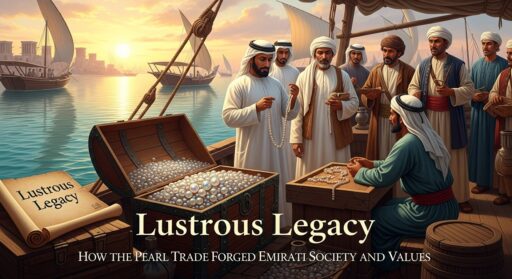
The dhow was a microcosm of Emirati society at sea, with strict hierarchies and shared responsibilities that mirrored land-based social structures. Dhow building represented the peak of traditional craftsmanship, while navigation using stars and wave patterns demonstrated sophisticated environmental knowledge. The vessels facilitated cultural exchange throughout the Indian Ocean region.
Modern Relevance
The dhow remains a powerful national symbol, featured on the UAE currency and in corporate logos. Traditional dhow races preserve maritime skills, while modern interpretations of dhow design influence contemporary architecture. The dhow building tradition is recognized by UNESCO as intangible cultural heritage, ensuring its preservation for future generations.
Conclusion
The pearling dhow represents the ingenuity and resilience of Emirati maritime tradition. These vessels not only enabled economic survival but carried the culture, knowledge, and spirit of the region across oceans, creating connections that would later facilitate the UAE’s emergence as a global trading nation.