

Introduction
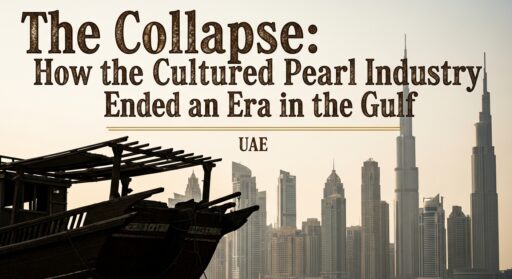
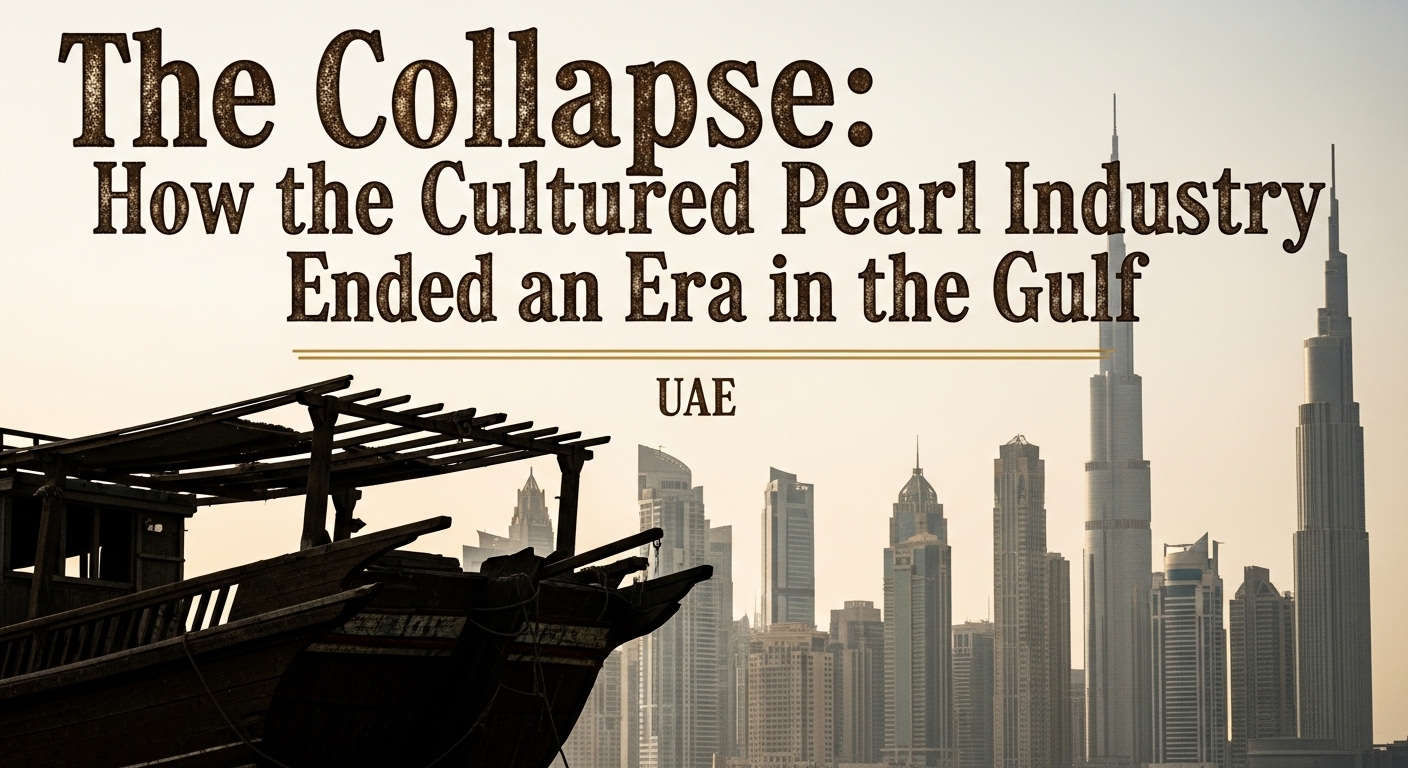
The sudden collapse of the Gulf pearling industry in the 1930s represents one of the most dramatic economic transitions in modern history, devastating regional economies and fundamentally reshaping societies. This catastrophic decline, caused by external technological innovation and global economic forces, created the conditions that would later make oil exploration so urgent.
History
The invention of cultured pearls by Kokichi Mikimoto in the early 20th century, combined with the Great Depression of the 1930s, destroyed the natural pearl market virtually overnight. Prices collapsed by up to 80% between 1929-1931, and by 1935, the industry that had sustained the region for centuries had effectively disappeared.
Key Features
The collapse unfolded through several mechanisms:
- Technological Disruption: Cultured pearls offered consistent quality and lower prices
- Economic Shock: Global depression destroyed luxury markets
- Social Impact: Widespread poverty and migration from coastal areas
- Political Consequences: Increased dependence on British subsidies and protection
Cultural Significance
The pearling collapse created a collective trauma that shaped Emirati attitudes toward economic diversification and self-sufficiency. The “Years of Hunger” that followed became a powerful historical reference point, driving the urgency with which oil revenues were later deployed for development. The experience taught the importance of controlling economic destiny and avoiding dependence on single industries.
Modern Relevance
The lessons of the pearling collapse directly informed the UAE’s economic strategy following oil discovery. The determination to avoid another single-industry catastrophe drove investments in diversification that created today’s multifaceted economy. This historical memory continues to motivate investments in future-proof sectors like technology, renewable energy, and space.
Conclusion
The collapse of the pearling industry, while devastating at the time, ultimately forced a necessary economic evolution. The hardship created resilience and strategic thinking that would later enable the wise management of oil wealth. This historical experience remains a cautionary tale and strategic guide for economic planning in the UAE.