

Introduction
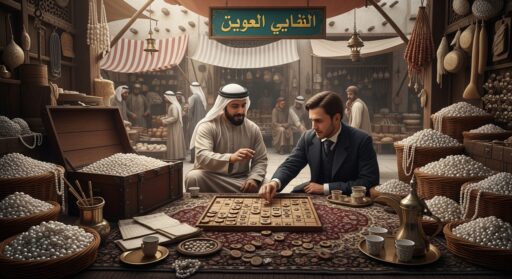
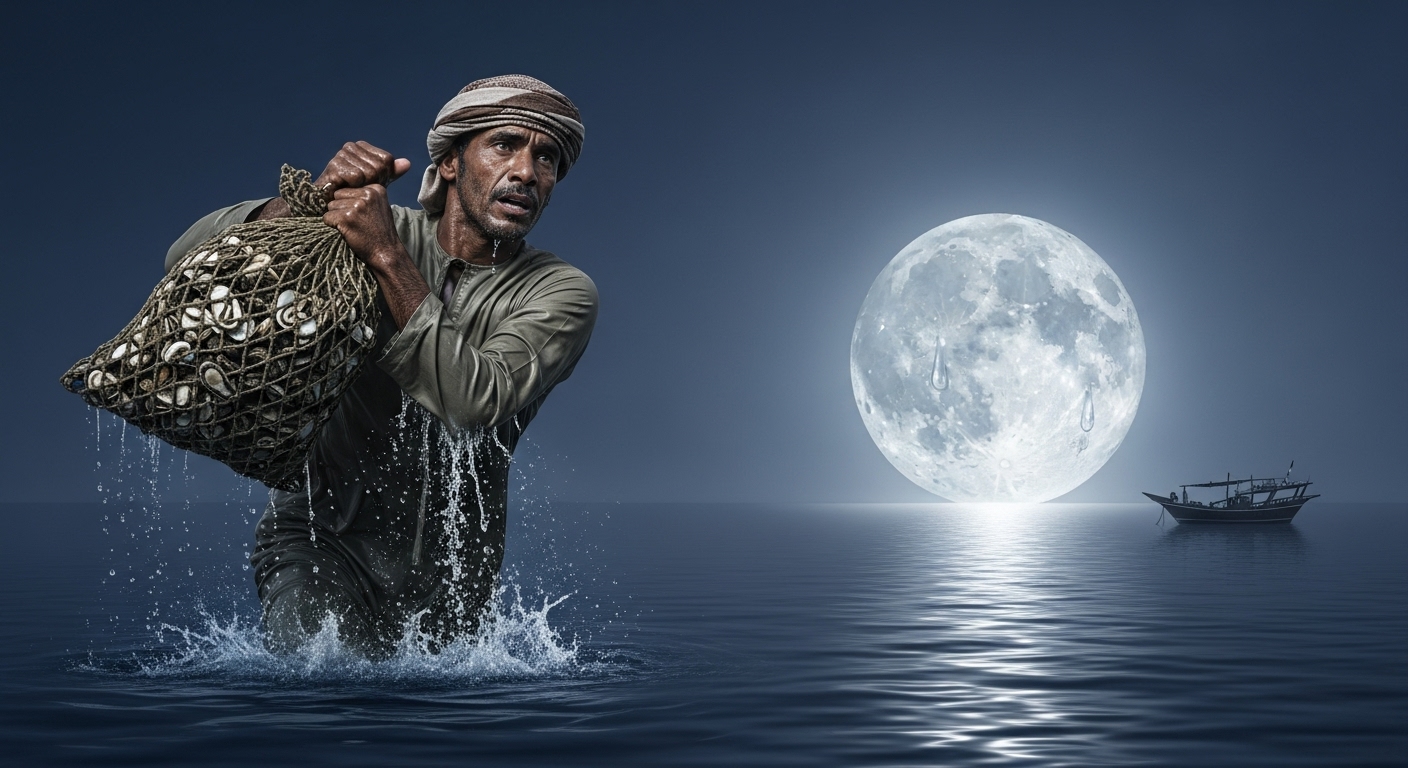
For centuries before the discovery of oil, the pearl diving industry formed the economic backbone of the Trucial States, shaping the social fabric and cultural identity of the region. The life of a pearl diver, or “ghassal,” was one of extreme hardship, danger, and discipline, creating a unique subculture whose legacy continues to influence Emirati society today.
History
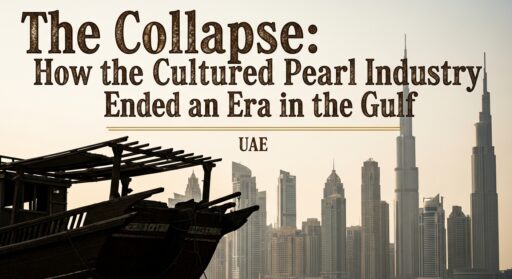
The pearl industry reached its zenith in the late 19th and early 20th centuries, with the Gulf region producing some of the world’s finest natural pearls. The industry collapsed dramatically in the 1930s due to the invention of cultured pearls by Japanese entrepreneur Kokichi Mikimoto and the global economic depression. This collapse plunged the region into poverty, creating what became known as the “Years of Hunger” until oil discoveries brought new prosperity.
Key Features
The pearling industry operated with military-like precision:
- Diving Seasons: Two main seasons – the large “ghaus al-kabir” (70-100 days) and the smaller “ghaus as-saghir” (40 days)
- Crew Hierarchy: Strict roles including the “Nakhoda” (captain), “Saqqal” (head diver), “Al-Sib” (rope puller), and “Al-Raddad” (singer)
- Diving Technique: Free diving to depths of 15-30 meters with only a nose clip and leather finger guards
- Payment System: Advanced payments against future catches, often creating cycles of debt
Cultural Significance
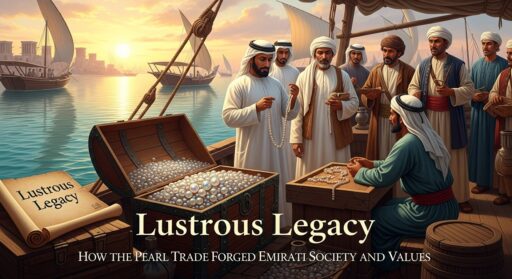
Pearl diving forged the Emirati character, instilling values of courage, patience, and teamwork that remain central to national identity. The industry created a unique maritime vocabulary and tradition of sea shanties (“nahma”) that preserved oral history. The shared hardship created strong social bonds and a collective memory that continues to inform Emirati social values and work ethic.
Modern Relevance
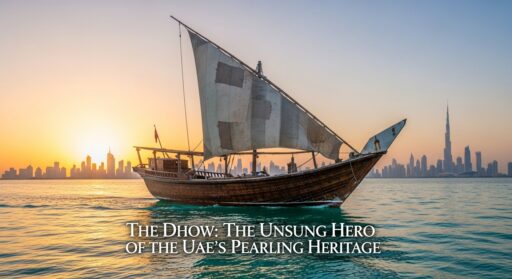
While the industry has vanished, its legacy persists in Emirati cultural consciousness. Pearl diving features prominently in national celebrations, literature, and art. The traditional dhow remains a national symbol, and pearling terminology survives in everyday language. Modern luxury brands like Almasa by Emirati use natural pearls, connecting contemporary entrepreneurship with historical heritage.
Conclusion
The story of Emirati pearl divers represents more than economic history – it embodies the resilience and fortitude that enabled survival in a harsh environment. The “tears of the moon” extracted from the sea came at tremendous human cost, creating a cultural foundation that prepared the region for the challenges and opportunities of the modern era.