


Introduction
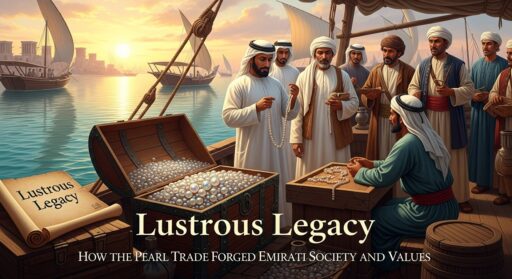
The natural pearl trade transformed the Arabian Gulf into a crucial node in global commerce for centuries, with Emirati merchants playing a pivotal role in connecting Eastern and Western luxury markets. This “white gold” trade created sophisticated commercial networks and business practices that laid the foundation for the UAE’s modern trading economy.
History
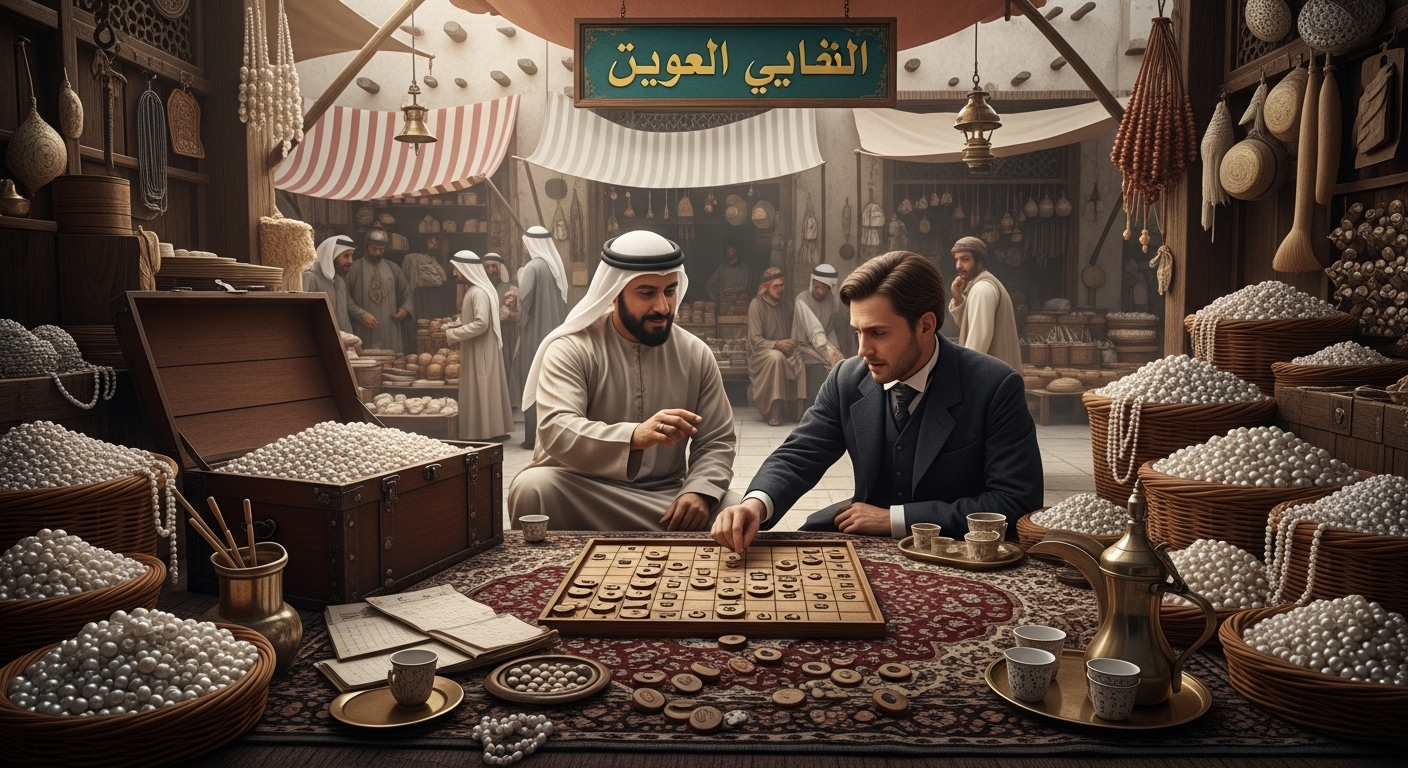
From the 18th to early 20th centuries, Gulf pearls were coveted by royalty and aristocracy worldwide. The trade peaked between 1850-1930, with major trading centers in Dubai, Bahrain, and Mumbai. Indian merchants, particularly from the Hundi community, established advanced financing systems, while European luxury houses like Cartier built their reputations on Gulf pearls.
Key Features
The pearl trade operated through complex networks:
- Grading System: 17 quality categories based on size, shape, color, and luster
- Financing: Advanced payment systems (“salafiya”) and complex credit arrangements
- Trading Seasons: Annual auctions coinciding with diving returns
- Global Routes: Pearls traveled to India, Europe, and America through established trade routes
Cultural Significance
The pearl trade established the UAE’s reputation as a global trading hub and created business traditions that continue today. The sophisticated understanding of international markets, quality standards, and financing mechanisms developed during the pearl era provided the commercial foundation for Dubai’s modern re-export economy and the UAE’s position as a global business center.
Modern Relevance
The legacy of pearl trading is visible in the UAE’s continued emphasis on luxury markets and international trade. Dubai’s position as a gold and diamond trading center and the development of luxury tourism reflect commercial instincts honed during the pearl era. The entrepreneurial spirit and global outlook of Emirati merchants continues to drive economic diversification.
Conclusion
The pearl merchants of the Gulf were pioneers of global luxury trade, developing business practices and commercial networks that transcended their era. Their legacy demonstrates how strategic location and commercial innovation can create global economic significance, a lesson that continues to inform the UAE’s economic strategy today.